





Systems that don't talk to each other
The sales department uses HubSpot, operations uses Monday, and accounting uses Excel. Someone has to manually transfer info from one side to the other.
B2B process automation implementation. We synchronize your data silos (CRM, ERP, scattered Excels) so information flows without human intervention.
The Corporate Bottleneck
Being buried in administrative work is not an indicator of success; it's an indicator of broken processes.
The sales department uses HubSpot, operations uses Monday, and accounting uses Excel. Someone has to manually transfer info from one side to the other.
An extra zero on a manual spreadsheet or a duplicate customer in the system can cost thousands of dollars and the customer's trust.
You hired brilliant talent who spend 40% of their day doing "data entry" instead of doing strategic work that generates revenue.
True digital transformation is invisible.
When machines talk to each other, people return to creating value.
Measurable results
We don't promise technology. We promise results that directly impact your profitability.
Your team focuses back on what really makes money: strategy, sales, and customers.
Automated systems don't get tired, don't forget fields, and don't duplicate info.
Double your business volume without needing to double your administrative staff.
How we roll it out
Automating a broken process only makes the mistake happen faster. That's why the order matters.
We look at how information moves today between sales, operations and admin, and where someone is copying data from one system into another.
You don't automate everything at once. We rank by hours consumed and risk, and we put in writing what stays out of scope.
We connect CRM, ERP and spreadsheets over each system's real APIs. Your team keeps working as usual while it's implemented.
You get visibility into what runs on its own, alerts when something breaks, and documentation so change doesn't depend on one person.
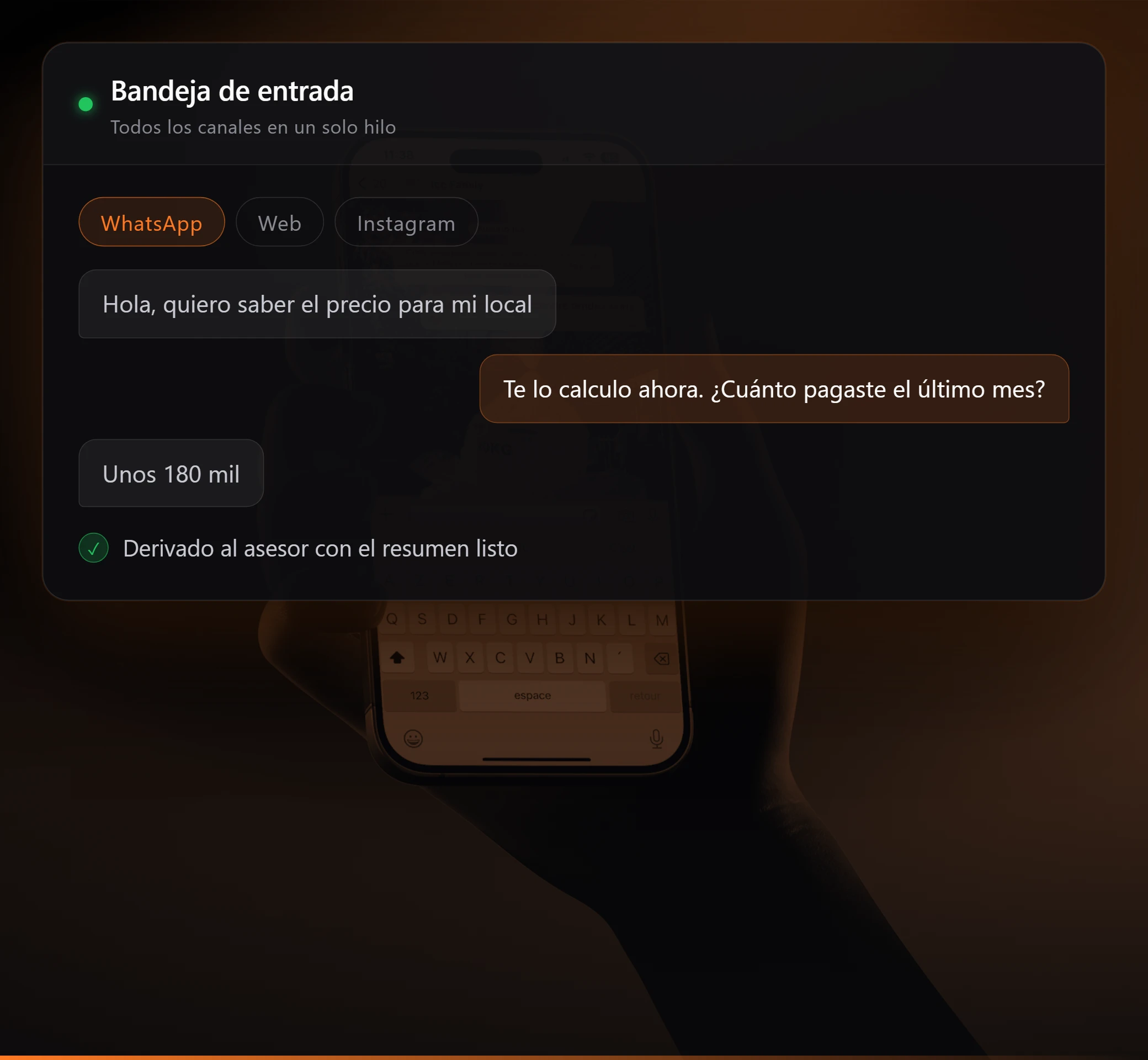
Tell me which process eats the most hours and we'll look at it over WhatsApp.
Real results
Real projects where I helped companies automate their processes and obtain measurable results.
Drag to explore
FAQ
The real questions owners and operations leads bring before we start.
Another question? Message meThe one that is repetitive, high volume, and governed by clear rules — that is where automation pays for itself and the risk stays low. In practice it is usually one of three families: data being retyped between systems by hand, catalog and price-list updates, and documents that arrive by email (invoices, orders, notifications). I start by auditing your current processes and ranking them by the hours they consume and by how much an error hurts. The first one we automate is the one that wins on both counts.
In a brief talk we analyze your current processes and I show you exactly what we can automate to save you time and money.
Write to me via WhatsAppI respond personally in less than 24 hours
You tell me your current situation
We see if AI applies to your case
If we match, we build a plan
By contacting me, you receive a personalized response and an initial analysis of how I can help optimize your processes. No pressure, no spam.